


Uterine fibroids are non-cancerous growths that develop in the uterus, most commonly during a woman’s childbearing years. They are especially prevalent among women aged 30 to 40 years. While many fibroids are harmless, some can cause significant discomfort and complications if left untreated.


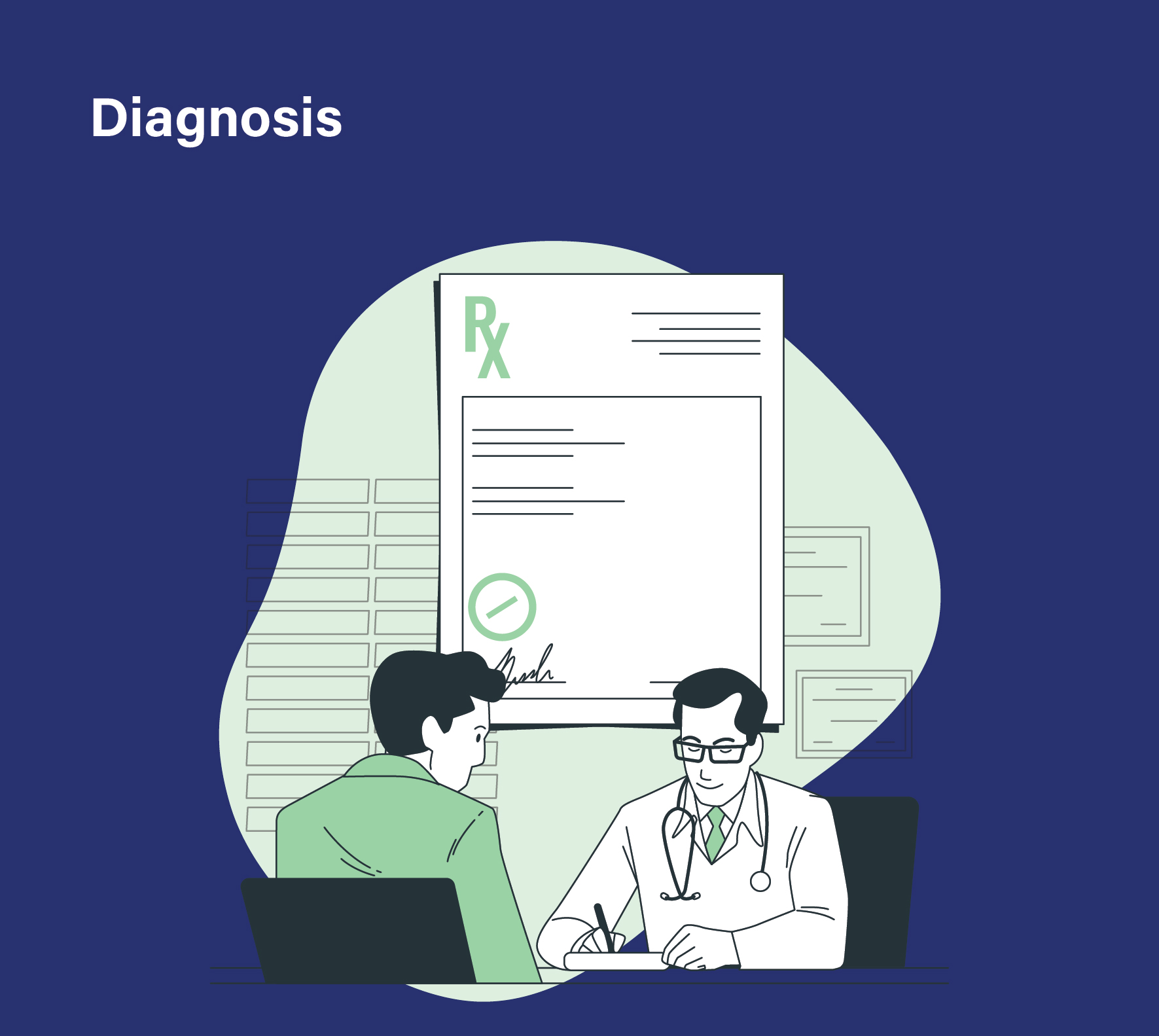
Our specialists use a combination of clinical evaluation and advanced imaging to diagnose fibroids accurately.
A gynecologist assesses symptoms and performs a pelvic examination to detect abnormalities.
A non-invasive imaging test that uses sound waves to create a clear picture of the uterus.
If abnormal bleeding is present, additional blood tests may be done to rule out anemia or hormonal conditions.
Fibroids cannot be cured without medical intervention. Treatment depends on symptoms, size of the fibroids, and future fertility plans.
Your doctor may begin with medications to reduce symptoms and regulate menstrual cycles.
We offer advanced and minimally invasive procedures, including:


We deliver trustworthy and ethical medical care

Equipped with well trained and experienced physicians
Exceptionally courteous staff
Offers affordable and accessible price for all
A appendix is an anomalous protrusion or gap in the
organ or tissue that is known as fascia. The gap allows important connective tissues
of the abdomen to sneak through.
A appendix is usually used to describe the gap of the intestine through a weak area
within the wall. appendix can also be termed as “rupture”.
Another category of appendix is hiatal appendix, which occurs when a small part of
the stomach bulges out through the oesophagus opening that passes from the chest
from the abdomen.
Patients may experience no symptoms to a few common
symptoms. Those with no symptoms may be diagnosed with a bulge in the groin or
abdomen during a medical examination. The most common symptom is the feeling of lump
or tenderness and pain while coughing, bending, and straining.Other common symptoms
include:
1.Burning, aching, or gurgling sensations in the affected area
2.A feeling of heaviness in the abdomen
3.Pain during bowel movements
4.Pain when lifting something heavy
Most appendixs tend to enlarge and get bigger if left untreated. appendixs can also become extremely painful and in some cases may even strangulate that require immediate emergency surgery as consequences can be severe.
appendixs don't go or heal on their own. Your doctor may
suggest 'watchful waiting' in the case of no symptoms. If your appendix is causing
symptoms, your doctor may suggest surgery to best address your condition. Three
types of surgery can be performed in appendix
1.Open Surgery
2.Laparoscopic Surgery
3.Robotic Repair Surgery