


Expert Care, Advanced Technology & Compassionate Support
A hysterectomy is a surgical procedure to remove the uterus and is performed to treat various gynecological conditions that affect a woman’s health and quality of life. At Promed Hospital, our experienced gynecologists and surgical team ensure safe, evidence-based treatment with personalized care for every patient.
A hysterectomy may be recommended for several medical conditions, including:
A hysterectomy becomes the preferred option when:
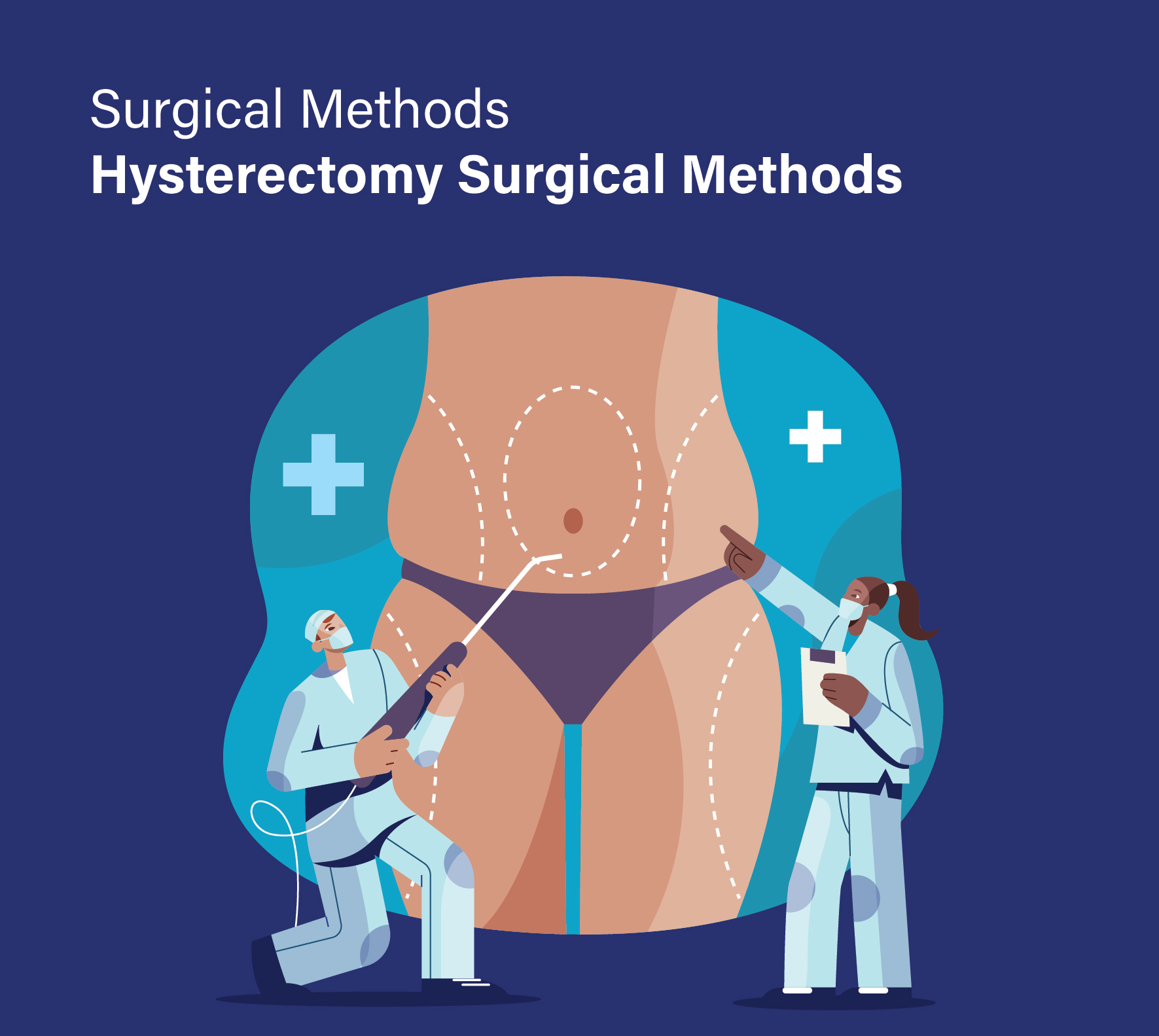
We offer multiple surgical approaches based on your condition, lifestyle, and recovery needs:
Performed through a small incision in the lower abdomen. Ideal for large fibroids or suspected cancers where more access is required.
The uterus is removed through the vagina with no abdominal incision. Faster recovery and shorter hospital stay.
A minimally invasive option using tiny incisions and a camera.
Patients can expect the following after the procedure:
Our gynecology team ensures continuous support, guidance, and follow-up care throughout your recovery.
At Promed Hospital, we ensure world-class gynecological care backed by:
Highly skilled specialists with expertise in minimally invasive and advanced surgical procedures.
Equipped with high-precision technology to ensure safer and effective surgeries.
From diagnosis to recovery, our team provides supportive, women-centered care.
Clear communication, honest medical advice, and patient-first




We deliver trustworthy and ethical medical care

Equipped with well trained and experienced physicians
Exceptionally courteous staff
Offers affordable and accessible price for all
A appendix is an anomalous protrusion or gap in the
organ or tissue that is known as fascia. The gap allows important connective tissues
of the abdomen to sneak through.
A appendix is usually used to describe the gap of the intestine through a weak area
within the wall. appendix can also be termed as “rupture”.
Another category of appendix is hiatal appendix, which occurs when a small part of
the stomach bulges out through the oesophagus opening that passes from the chest
from the abdomen.
Patients may experience no symptoms to a few common
symptoms. Those with no symptoms may be diagnosed with a bulge in the groin or
abdomen during a medical examination. The most common symptom is the feeling of lump
or tenderness and pain while coughing, bending, and straining.Other common symptoms
include:
1.Burning, aching, or gurgling sensations in the affected area
2.A feeling of heaviness in the abdomen
3.Pain during bowel movements
4.Pain when lifting something heavy
Most appendixs tend to enlarge and get bigger if left untreated. appendixs can also become extremely painful and in some cases may even strangulate that require immediate emergency surgery as consequences can be severe.
appendixs don't go or heal on their own. Your doctor may
suggest 'watchful waiting' in the case of no symptoms. If your appendix is causing
symptoms, your doctor may suggest surgery to best address your condition. Three
types of surgery can be performed in appendix
1.Open Surgery
2.Laparoscopic Surgery
3.Robotic Repair Surgery